
By Gautam Chaudhary
Wars often begin with political debates, military strategies, and the ambitions of powerful leaders, but they invariably end in the immense suffering and tragedy of ordinary people. The conflict involving Iran, Israel, and the United States once again demonstrates that wars between nations do not remain confined to governments or armies—they spill into homes, schools, and streets, where innocent civilians lose their lives. At a time when the world appears increasingly divided, it is essential to reflect not only on geopolitics but also on the urgent need for human dignity, justice, and peace.
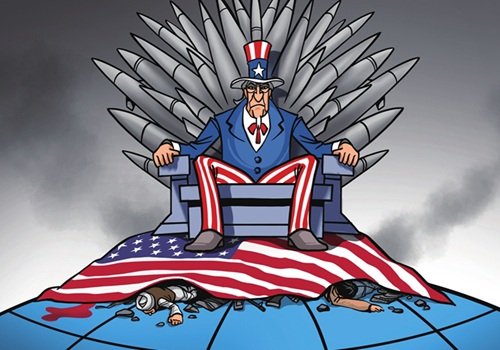
Recent military actions—particularly strikes by the United States and Israel against Iran—have drawn sharp international criticism. Several global leaders have openly condemned these actions, stating that they violate international law. They have warned that such moves could deepen regional instability. Some European leaders have even expressed concern that if this trend continues, a “rule of power” may replace the “rules-based order,” thereby weakening the credibility of global institutions.
The situation becomes even more tragic when ordinary civilians bear the brunt. Reports of a devastating explosion at a school in Iran, resulting in the deaths of hundreds of children, raise serious moral questions about the conduct of war. These incidents remind us that when powerful nations engage in conflict, it is not only soldiers who die—families are shattered, children lose their futures, and societies are left with wounds that take generations to heal.
Military aggression, especially when driven by geopolitical rivalry, rarely resolves underlying issues. Instead, it deepens mistrust and resentment. This is why many across the world are questioning the role of powerful nations—particularly the United States—arguing that such interventionist policies often prioritize strategic dominance over human lives.
However, opposing military aggression does not mean supporting internal repression within a country. The actions of Iran’s religious government toward its own people cannot be overlooked. This, too, is a serious concern—but addressing it through external military intervention is neither practical nor justified. For years, the treatment of citizens in Iran—especially women, progressive activists, and minorities—has drawn criticism. International human rights organizations have consistently documented restrictions on freedom of expression, arbitrary arrests, and harsh punishments.
The condition of women in Iran is particularly alarming. Laws such as mandatory hijab are strictly enforced, and those who protest face punishment. Activists demanding equality and freedom are subjected to arrests and harassment. Additionally, high rates of executions, alleged torture, and the persecution of minorities remain pressing concerns.
This entire situation presents a complex moral dilemma. On one hand, external military attacks bring destruction to civilians; on the other, internal policies restrict their freedom and dignity. To truly stand for justice, both realities must be acknowledged. The people of Iran deserve peace and respect—neither bombs from outside nor oppression from within.
Ordinary citizens—whether a mother in Tehran, a student in Isfahan, or a farmer in a rural area—do not seek global conflict. Most people simply desire safety, freedom, and a better future for their children. Yet when political leadership chooses confrontation, it is the common people who pay the price.
History teaches us that violence is never a lasting solution. Wars may destroy cities, but they cannot eliminate grievances. Military power may temporarily silence voices, but it cannot build trust or reconciliation. Real change comes through dialogue, patience, and moral courage.
At the same time, periods of global tension often lead to polarization of public opinion. Some justify military actions in the name of security, while others romanticize religious authoritarian regimes merely in opposition to Western influence. Both positions are harmful to humanity. Justice cannot be selective—war crimes cannot be ignored, nor can human rights violations be justified. A truly humane perspective demands balance and compassion. It requires condemning attacks on civilians while also speaking out against governments that restrict the freedoms of their own people.
For regions such as South Asia and the Middle East—and indeed for the entire world—the message is clear: peace must remain the ultimate goal. No ideology or strategic interest can outweigh innocent human lives. In times of conflict, patience is essential. Anger and retaliation only perpetuate cycles of violence, whereas patience, dialogue, and understanding open pathways to resolution. Justice achieved through peaceful means is the only sustainable justice.
The way forward must be grounded in diplomacy, accountability, and respect for human dignity. Powerful nations must reconsider the indiscriminate use of military force, and governments like that of Iran must respect the rights of their citizens—especially women and minorities.
Ultimately, this conflict is not merely a political issue but a profound human tragedy. Behind every headline are grieving families, frightened children, and broken communities. If the world truly wishes to learn from history, it must break this cycle of hostility. The greatest victory in any conflict is not the defeat of an enemy, but the restoration of peace. This can only be achieved through patience, compassion, and sincere dialogue.
India’s enduring civilizational ethos echoes the same message: resolve conflicts through dialogue, not discord.


Great 👏👏